
Networking
Dynamic DNS vs. Static DNS: What’s the Difference?
A practical explanation of static DNS records, dynamic DNS services and when changing addresses make DDNS useful.
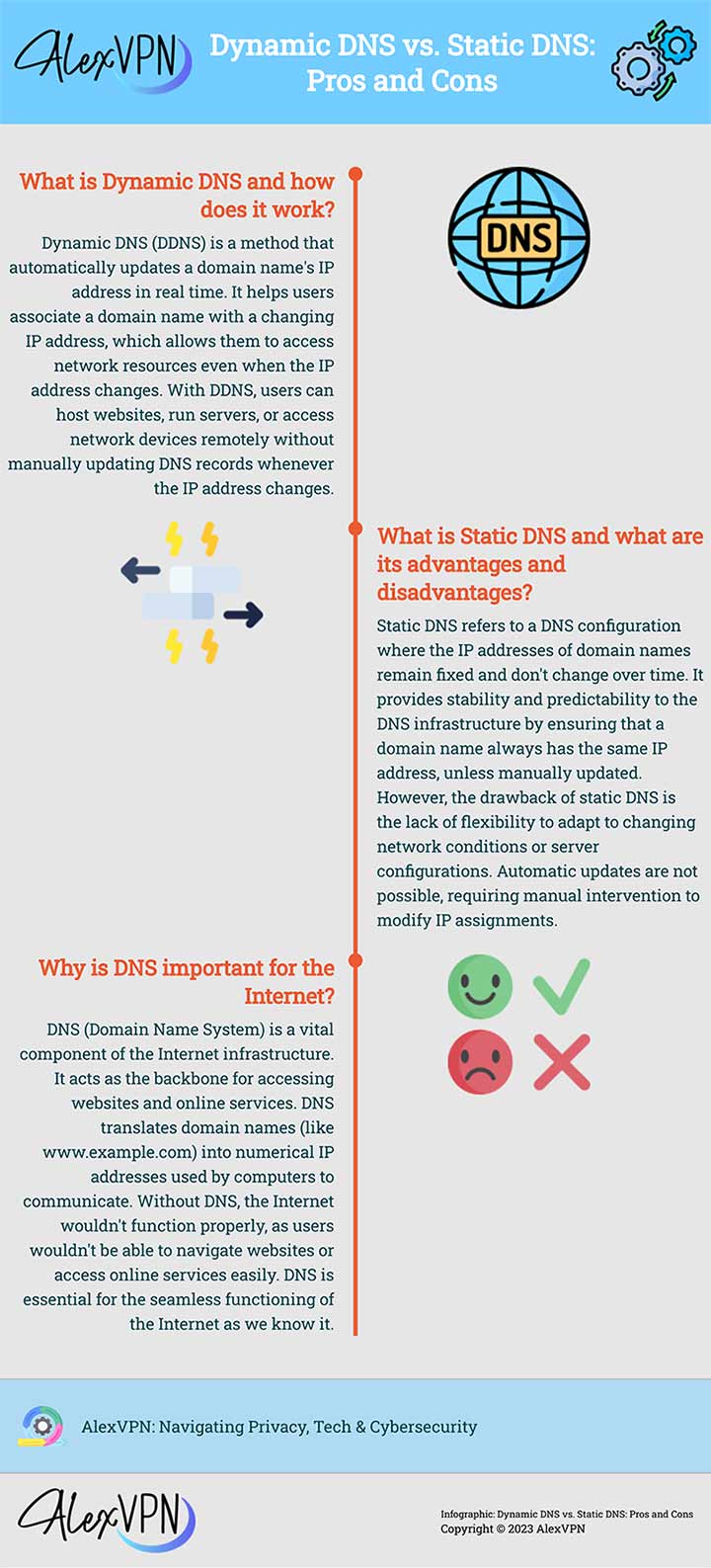
The phrase dynamic DNS is easy to confuse with ordinary DNS. The difference is mostly about what happens when the public IP address behind a hostname changes.
With a stable or static address, a DNS record can simply point to that address until an administrator changes it. With a changing residential or small-business IP address, a dynamic DNS service can automatically update the record whenever the address changes.
When dynamic DNS is useful
Dynamic DNS is commonly useful for home labs, self-hosted services, remote access and network equipment located behind an internet connection whose public address changes periodically.
What dynamic DNS does not do
DDNS does not secure the service you expose. If you make a device reachable from the internet, you still need authentication, patching, firewall rules and appropriate encryption. In many cases, a VPN or zero-trust access layer is safer than exposing an administrative service directly.
Use dynamic DNS as an addressing convenience, not as a security control.