
Cybersecurity
Encryption Basics: Data at Rest and in Transit
How encryption protects stored files and network connections—and where its limits begin.
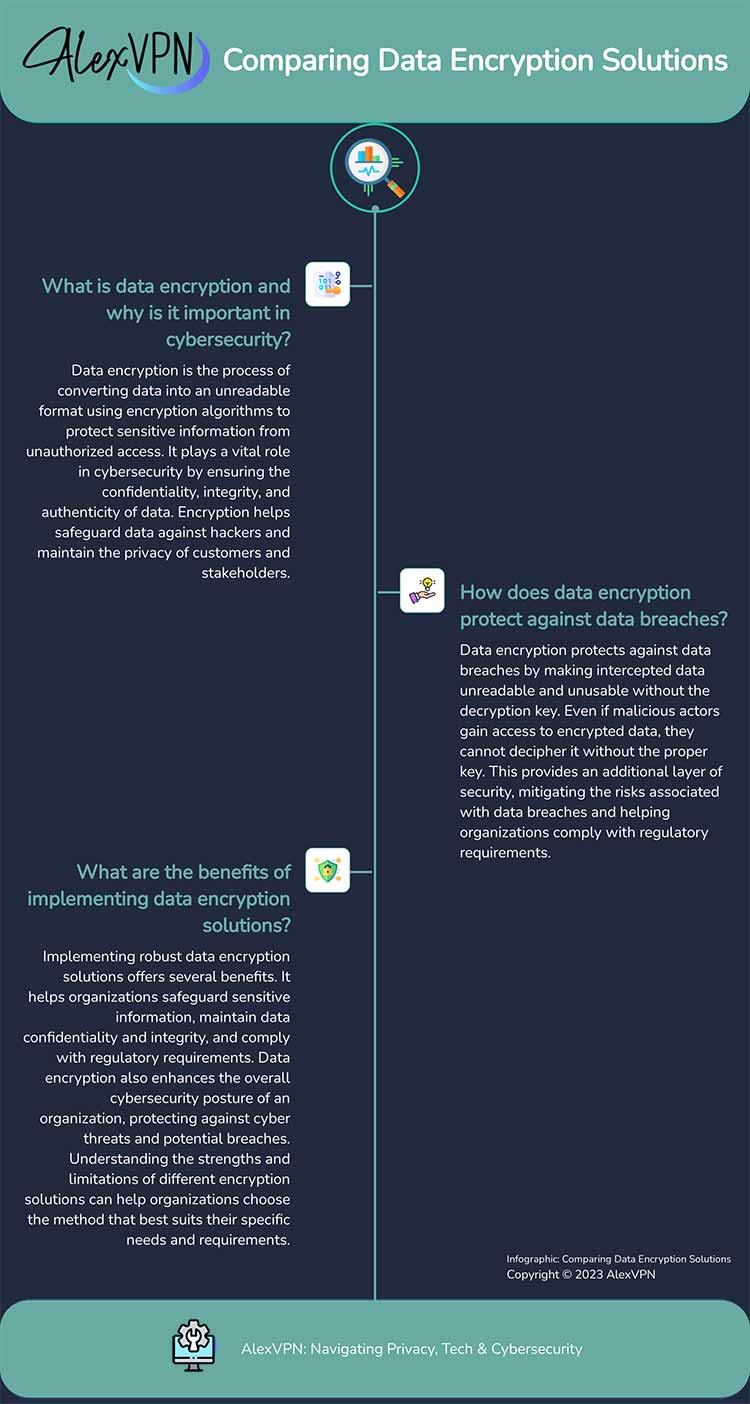
Encryption transforms readable data into a form that requires a key to interpret. Where encryption is applied matters as much as the algorithm’s name.
Data in transit
Transport encryption protects information while it moves between systems. HTTPS protects a browser connection to a site, while a VPN protects traffic between a device and the VPN server.
Data at rest
Disk and device encryption protect stored information when a powered-off device is lost or stolen. They do not stop malware or an authorized user from reading files after the device is unlocked.
End-to-end encryption
In an end-to-end system, only the communicating endpoints hold the keys needed to read the content. Metadata such as participants and timing may still be visible, depending on the service.
The bottom line
Encryption is strongest when paired with secure key handling, updates and access controls. A strong lock does not help if an attacker can use an already-unlocked device.