
VPN
Using a VPN for Secure Remote Access
How remote-access VPNs let people reach private systems without exposing those systems directly to the public internet.
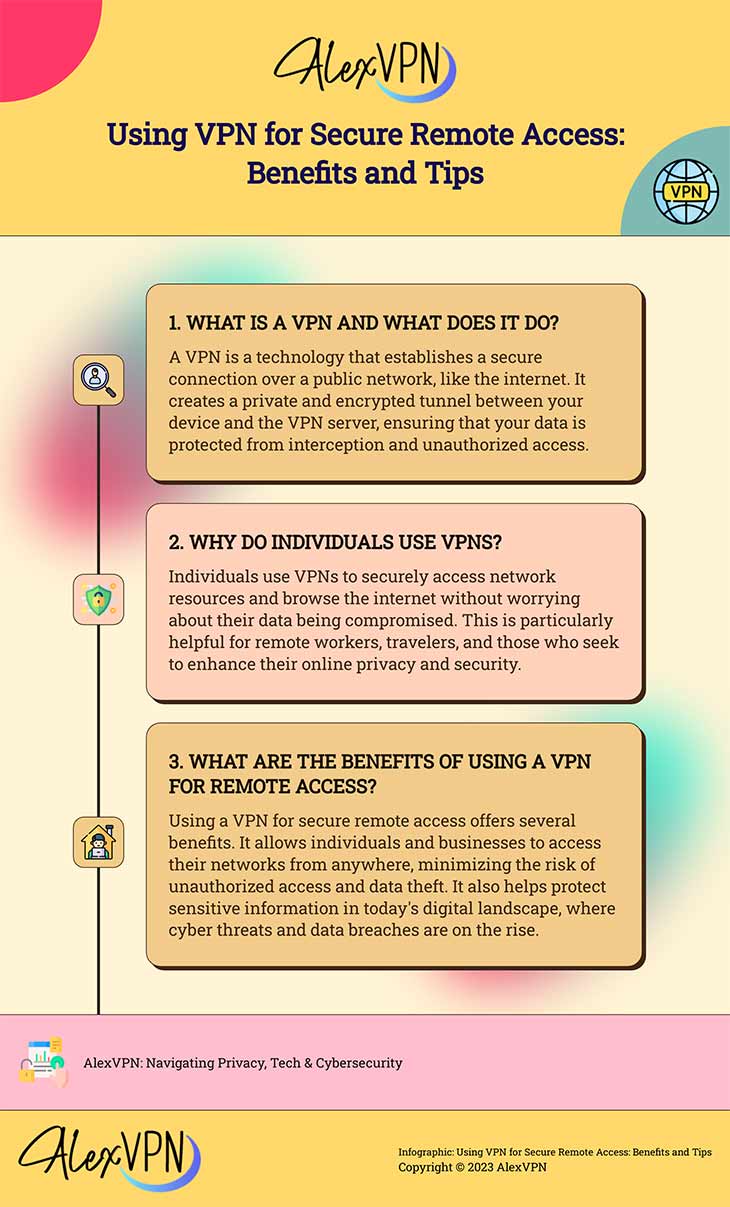
A remote-access VPN lets a device establish an encrypted connection to a private network from somewhere else. After authentication, the remote device can reach selected internal resources as though it had a protected path into that network.
Why use a VPN instead of exposing services directly?
Putting an administrative interface or file service directly on the public internet increases the number of systems that can attempt to reach it. A VPN can reduce that exposure by requiring users to establish the protected connection first.
Good remote-access practices
Use strong authentication, preferably with multi-factor authentication. Keep VPN gateways and clients patched. Restrict access so that connecting to the VPN does not automatically grant every user access to every internal service. Monitor authentication logs and remove accounts that are no longer needed.
A VPN is only part of a remote-access design, but it remains a useful building block when configured carefully.