
VPN
What Is a VPN? A Clear Beginner’s Guide
What a VPN changes, what it does not change, and when an encrypted tunnel is genuinely useful.
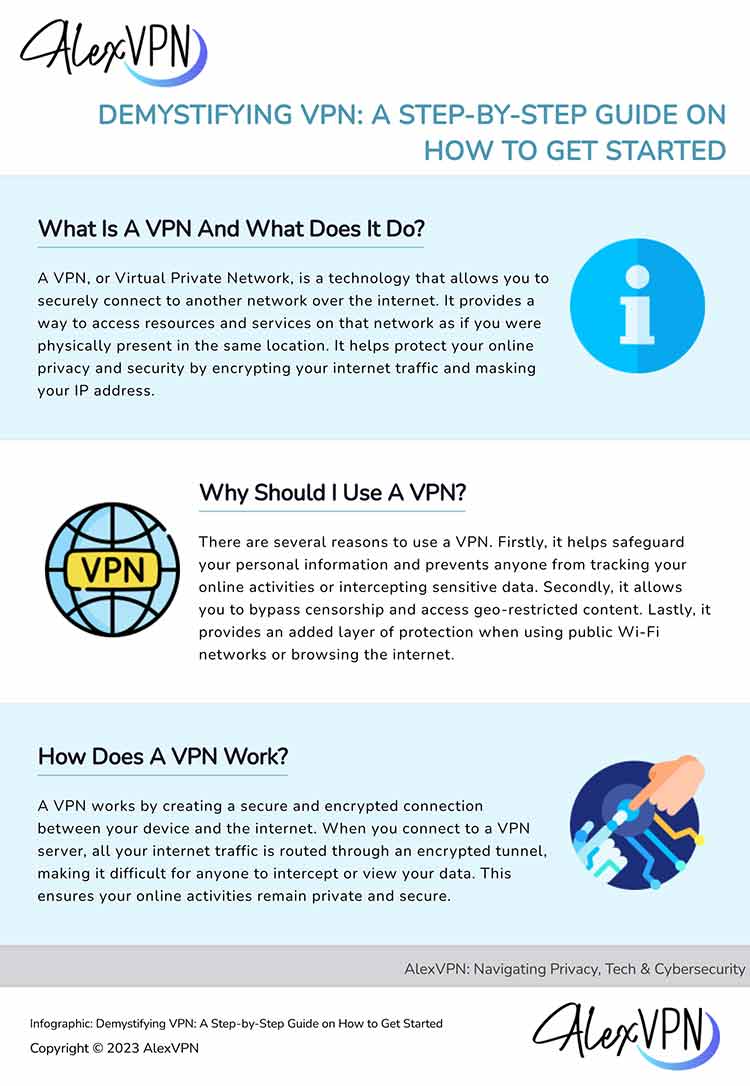
A virtual private network, or VPN, creates an encrypted connection between your device and a VPN server. Your internet traffic travels through that connection before reaching the wider internet.
That sounds simple, but VPN marketing often makes the technology sound more magical than it is. A VPN can be extremely useful, but it is only one layer of online privacy and security.
What changes when you connect to a VPN?
Without a VPN, websites generally see the public IP address assigned to your connection. With a VPN enabled, websites normally see the IP address of the VPN server instead.
Your internet provider can still see that your device is exchanging data with a VPN service, but the encrypted tunnel makes the contents of that traffic much harder for the provider or someone snooping on the local network to inspect.
What a VPN is useful for
A VPN is especially useful when you want to reduce exposure on an untrusted network, hide your normal public IP address from the sites you visit, connect securely to a private network, or add another privacy layer to everyday browsing.
Businesses also use VPN technology for remote access, allowing employees to reach internal systems without exposing those systems directly to the public internet.
What a VPN does not do
A VPN does not make you anonymous by itself. Websites can still recognize you through accounts, cookies, browser fingerprinting and other identifiers. A VPN also does not replace antivirus software, good passwords, multi-factor authentication, software updates or common sense around phishing.
It is better to think of a VPN as one privacy and network-security tool, not as a complete security system.
Choosing a VPN
Look beyond the headline price. Consider who operates the service, what information it logs, whether its applications include leak protection and a kill switch, which protocols it supports, and whether independent security work has been published about the service.
For most people, the best VPN is not the one with the longest feature list. It is the one whose privacy model you understand and whose applications you will actually keep enabled when you need them.
The bottom line
A VPN changes where your internet traffic appears to come from and protects the connection between your device and the VPN server. That can be valuable for privacy, travel, remote access and public Wi‑Fi. It does not erase every other way you can be tracked or attacked.